
 By Stephen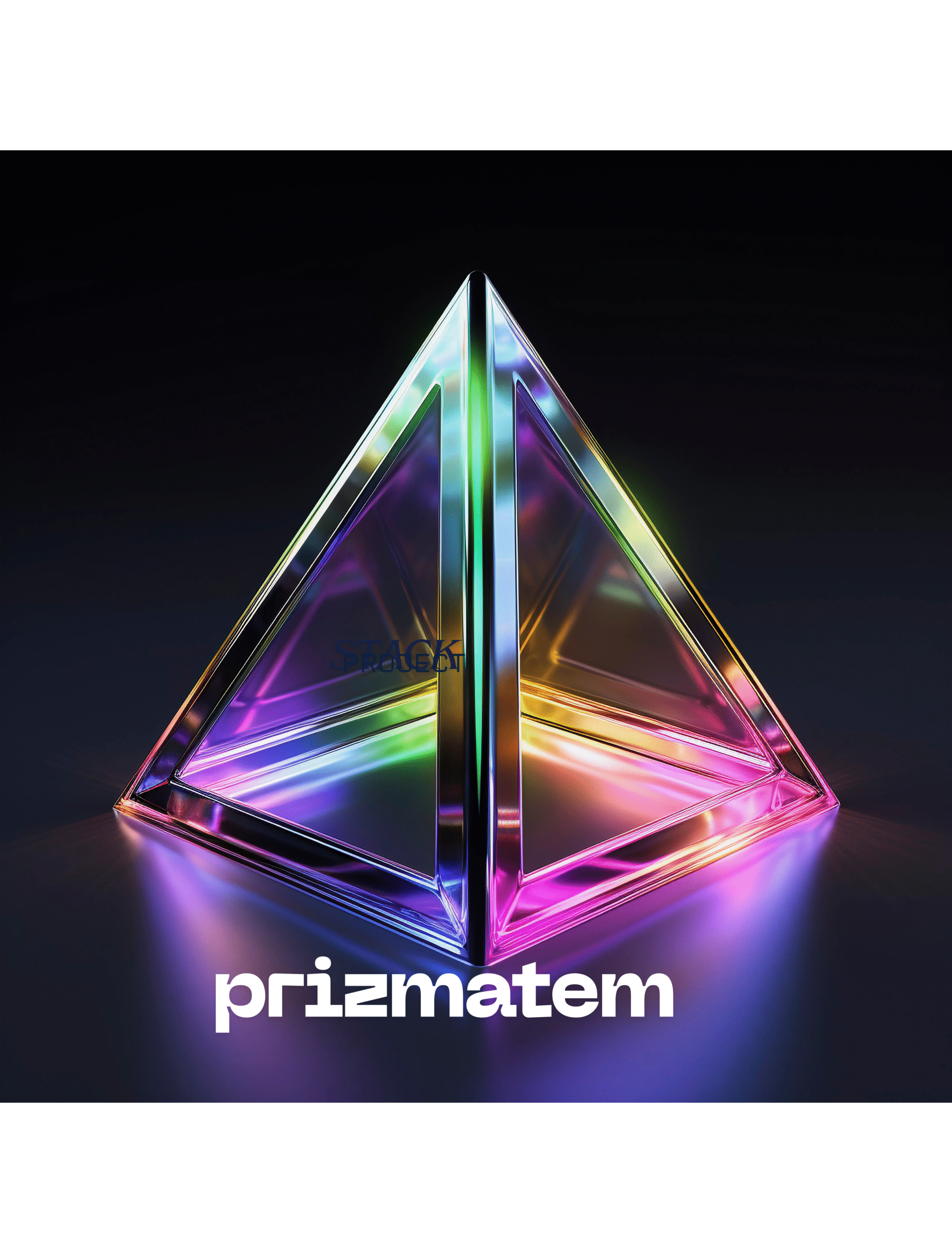
In a world overflowing with data, visuals, and digital interactions, finding a framework that simplifies complexity without compromising depth has become essential. This is where Prizmatem steps into the spotlight — a rising digital concept designed to organize and present complex information into clear, dynamic, and interactive layers. While still new in mainstream conversations, Prizmatem is already gaining attention among digital strategists, UX designers, data architects, and innovation-focused industries.
By breaking information into multiple structured layers—much like the facets of a prism—Prizmatem is redefining how we understand, navigate, and use digital spaces. Its promise lies in its ability to transform overwhelming information into intuitive experiences that empower users, creators, and decision-makers alike.
This article explores the origins, purpose, applications, benefits, and future potential of Prizmatem as a next-generation digital organizing model for the modern era.
What Is Prizmatem? A New Way of Seeing and Structuring Information
Prizmatem is best described as a multi-layered digital framework that organizes complex information into clear, interactive visual layers. Much like a prism that refracts light into distinct colors, Prizmatem refracts complexity into understandable segments.
At its core, Prizmatem seeks to solve a modern challenge: how do we make digital information easy to consume without losing richness or detail?
In today’s digital environments—where we interact with dashboards, maps, knowledge bases, interfaces, analytics tools, and AI systems—complexity grows daily. Prizmatem provides a solution by presenting:
-
Layered understanding: Users can dive deeper only when needed.
-
Visual clarity: Information becomes cleaner, more intuitive, more navigable.
-
Contextual depth: Complexity remains accessible, but not overwhelming.
Prizmatem is not tied to any single tool or software. Instead, it is a conceptual framework that can be applied across platforms, designs, and digital environments.
Why Prizmatem Matters in the Digital Age
The explosion of data has created both opportunities and challenges. We have more knowledge at our fingertips than at any point in human history — but we also face:
-
Information overload
-
Fragmented digital experiences
-
Confusing dashboards and cluttered interfaces
-
Difficulty distinguishing important signals from noise
As a result, users demand clarity, speed, meaning, and streamlined interaction.
Prizmatem responds to these growing needs by offering:
1. Digital Simplicity Without Loss of Depth
Prizmatem doesn’t remove information—rather, it organizes it into structured layers. This ensures users see only what they need initially and dive deeper when necessary.
2. Better Cognitive Processing
Layered visuals allow the brain to interpret data more efficiently. This enhances recall, decision-making, and user satisfaction.
3. Adaptability Across Fields
From UI/UX to business intelligence, Prizmatem adapts to any environment where complexity needs structure.
4. A Future-Friendly Digital Lens
As AR, VR, and AI interfaces evolve, multi-layered information models will become essential. Prizmatem is already aligned with what future technologies require.
How Prizmatem Works: The Layered Architecture
Prizmatem can be visualized as a prism-shaped structure, where each layer represents a distinct level of detail.
Here’s how the architecture typically functions:
Layer 1: The Surface Layer (Clarity First)
-
Provides a quick overview
-
Highlights essential information
-
Offers simple navigational cues
This is where most users begin their journey.
Layer 2: The Structural Layer (Organized Insights)
-
Breaks down information into categories
-
Starts revealing patterns, relationships, or clusters
Users who need more context move to this layer.
Layer 3: The Analytical Layer (Complexity Made Accessible)
-
Offers detailed data, cross-analysis, and deep insights
-
Helps with comparisons, projections, and advanced visualization
Ideal for analysts, researchers, or decision-makers.
Layer 4: The Interactive Layer (User-Controlled Exploration)
-
Enables dynamic filtering
-
Allows zooming, switching views, or customizing layouts
This layer empowers users to explore information on their own terms.
Layer 5: The Integrative Layer (Full Context & Connection)
-
Unifies all layers to show the complete picture
-
Displays connections, dependencies, and full complexity
-
Used only when deep exploration is required
Together, these layers create an ecosystem where information transitions from simple to complex without confusion.
Key Features That Define the Prizmatem Model
Prizmatem stands apart due to its structural intelligence and user-centered approach. Its most prominent features include:
1. Multi-Layered Visual Representation
The core concept is layering. Each layer exists for a purpose and supports a specific level of understanding.
2. Interactive Information Flow
Prizmatem makes information movable, clickable, zoomable, and adaptable.
3. Contextual Depth
Details appear only when needed—reducing cognitive load and clutter.
4. Scalability
Prizmatem can work for simple UI elements or massive data ecosystems such as enterprise dashboards.
5. Interpretive Clarity
Users can interpret data faster and more accurately thanks to layered formatting.
Prizmatem in Action: Real-World Applications Across Industries
Because it is a conceptual model, Prizmatem can fit into nearly any digital system dealing with information. Here are some of its strongest applications:
1. User Experience (UX) and Interface Design
Prizmatem helps designers build interfaces that are:
-
Clean
-
Intuitive
-
Responsive
-
Layered logically
Dashboards, apps, websites, and product interfaces can use Prizmatem to structure content and enhance engagement.
2. Data Visualization and Analytics
The framework is especially useful in analytics platforms where complexity is high. It helps:
-
Break down KPIs
-
Simplify performance insights
-
Clarify trends and forecasts
-
Present multi-layered charts or maps
Business intelligence tools benefit greatly from Prizmatem’s layered approach.
3. Artificial Intelligence and Machine Learning Systems
AI outputs can be difficult to interpret. Prizmatem helps explain:
-
Model predictions
-
Decision pathways
-
Confidence scores
-
Data relationships
This builds user trust through transparency.
4. Education and Knowledge Management
Prizmatem supports:
-
Interactive learning modules
-
Layered textbooks or digital materials
-
Multi-level concept explanations
Students can explore lessons progressively—from basic to advanced.
5. Virtual Reality (VR), Augmented Reality (AR), and Mixed Reality
Layered visualization is essential in immersive environments. it provides the structural foundation for:
-
Spatial organization
-
Transparent overlays
-
Multi-depth informational layers
This makes AR and VR experiences smoother and more intuitive.
6. Digital Storytelling and Creative Media
Creators can use Prizmatem to:
-
Build interactive narratives
-
Organize story layers
-
Reveal plot or content progressively
It elevates storytelling into a multidimensional experience.
Advantages of Using the Prizmatem Approach
it brings a powerful range of benefits:
1. Improved Understanding
Users can grasp detailed information more easily.
2. Lower Cognitive Load
Information is spaced and layered for clarity.
3. Enhanced Engagement
Interactive depth encourages exploration.
4. Greater Transparency
Complex systems become more understandable and trustworthy.
5. Seamless Scalability
From basic layouts to massive information systems, Prizmatem adapts effortlessly.
6. Higher Productivity and Faster Decision-Making
By providing a clear visual structure, Prizmatem speeds up analysis and reduces confusion.
Why Prizmatem Is Becoming a Trend
Several digital trends have converged to push Prizmatem forward:
1. The Growth of Data-Driven Decision Making
As businesses rely more heavily on analytics, they need clearer visualization systems.
2. Increasing Interface Complexity
Modern apps and platforms require smarter structural frameworks.
3. The Rise of Personalization
Users expect information customized to their needs—and layered structures support this.
4. AI Integration Everywhere
AI creates complex outputs that must be explained visually and transparently.
5. Hybrid Digital Experiences
People now switch between mobile, desktop, VR, AR, and smart systems—Prizmatem ensures continuity across all formats.
The Future of Prizmatem: Where This Concept Is Heading
Prizmatem is still new, but its potential is enormous. Over the next decade, we can expect:
1. Widespread Adoption in UI/UX Frameworks
Design systems will begin including it -inspired standards for multi-layered interactions.
2. Better AI Explainability Tools
AI-driven products will rely heavily on layered explanations for outputs, decisions, and insights.
3. Expansion Into Immersive Technologies
AR glasses, mixed reality headsets, and metaverse platforms will adopt it structures to simplify virtual experiences.
4. More Accessible Data Visualization Tools
Businesses will increasingly use Prizmatem to present information to both experts and non-experts.
5. A New Standard for Digital Clarity
As digital ecosystems grow, layered models like Prizmatem will become essential for maintaining order and usability.
Conclusion: it Is More Than a Concept—It’s the Future of Digital Understanding
Prizmatem represents a powerful shift in how we structure, present, and interact with complex information. Its layered, prism-inspired approach aligns perfectly with the demands of today’s digital landscape, where clarity and interactivity are more valuable than ever.
From UX design to data analysis, AI interpretation, immersive tech, and digital learning, it offers a next-generation solution for simplifying complexity while preserving depth. As digital systems grow increasingly sophisticated, will become foundational in shaping the future of intelligent, human-centered digital experiences.
Prizmatem is not just a trend — it’s a blueprint for the next era of digital clarity.