
 By Stephen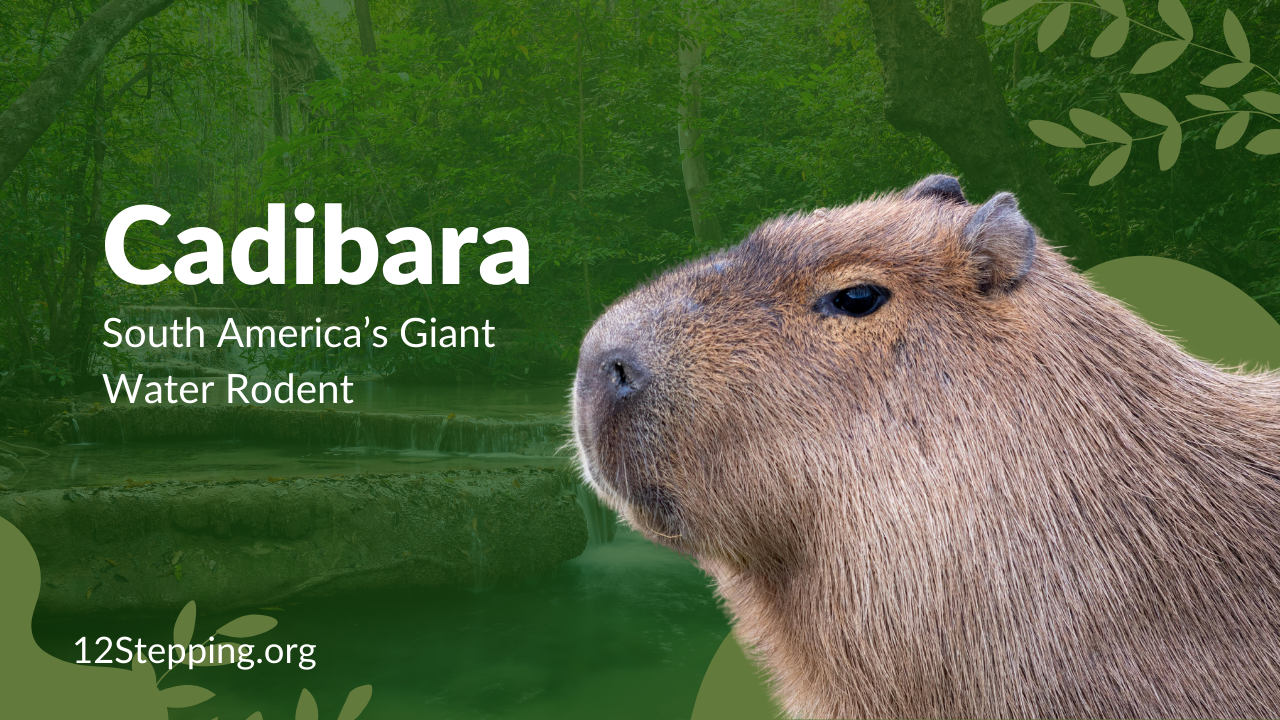
Cadibara
Meet the cadibara, South America’s giant water rodent that captivates with its charm and size. Known for being the largest rodent in the world, this remarkable creature is more than just a fascinating animal; it plays an essential role in its ecosystem. With its friendly demeanor and unique adaptations, the cadibara has earned a special place not only in nature but also in local cultures where stories and legends abound. Journey with us as we explore everything there is to know about these incredible creatures—from their habitats to their diets—uncovering why they deserve our admiration and attention!
Habitat and Distribution of the Cadibara
The cadibara, the largest rodent in the world, thrives in South America’s rich ecosystems. It primarily inhabits wetlands, riversides, and dense forest areas near water bodies. These environments provide ample food sources and shelter.
You’ll find them across a variety of countries including Brazil, Argentina, Paraguay, and Uruguay. Their preference for warm climates means they are often spotted where tropical or subtropical conditions prevail.
Cadibaras are social creatures that prefer living in groups. This behavior not only offers safety from predators but also enhances their foraging efficiency. They tend to stay close to water sources as they rely on swimming to evade threats or simply enjoy a leisurely dip during hot days.
Because their habitats are closely tied to waterways, any changes due to human activity can significantly impact their populations. Understanding their distribution is crucial for effective conservation efforts moving forward.
Physical Characteristics and Behavior
The cadibara is the world’s largest rodent, reaching lengths of up to four feet and weighing between 77 to 150 pounds. Its stocky build features short legs and a large, rounded body that enables it to navigate through wetland environments with ease.
This creature has webbed feet, which make swimming effortless. The cadibara’s fur is coarse and brownish, providing camouflage against predators in its natural habitat.
Social animals by nature, they often gather in groups ranging from ten to even thirty individuals. This behavior not only fosters companionship but enhances protection against threats. Cadibaras communicate using a range of sounds—grunts, whistles, and purrs—to convey their emotions or alert each other to danger.
Though primarily diurnal, these rodents can adapt their activity patterns based on environmental conditions and predator presence. Their keen senses play an essential role in their survival strategy within diverse ecosystems.
Diet and Feeding Habits
The cadibara, South America’s largest rodent, has a diverse diet primarily consisting of grasses and aquatic plants. These herbivores thrive in wetland ecosystems where food is abundant.
Their feeding habits are quite fascinating. Cadibaras prefer to eat during the early morning or late afternoon when temperatures are cooler. This behavior helps them avoid the heat of midday.
They have strong, continuously growing front teeth that allow them to graze on vegetation effectively. Their powerful jaws can crush tough stems and leaves with ease.
Interestingly, cadibaras also engage in coprophagy—eating their own feces. This practice allows them to extract more nutrients from their food by digesting it twice.
Social animals at heart, they often feed in groups, which enhances safety from predators while enjoying mealtime together.
Unique Adaptations of the Cadibara
The cadibara, the world’s largest rodent, has some fascinating adaptations that help it thrive in its watery environment. Its webbed feet allow for efficient swimming, making it a graceful presence in rivers and swamps.
These creatures possess dense fur that provides insulation against cold water. The structure of their teeth is also uniquely suited for their herbivorous diet. Their ever-growing incisors are perfect for chewing tough grasses and aquatic plants.
One remarkable feature is their ability to hold their breath underwater for up to five minutes. This skill helps them evade predators while they forage or relax in the depths.
Cadibaras have social structures too; living in groups offers protection and enhances communication through various vocalizations. These traits showcase how well-adapted they are to both land and aquatic habitats, ensuring survival in the diverse ecosystems of South America.
Cultural Significance and Folklore Surrounding the Cadibara
The cadibara holds a unique place in South American culture, often celebrated for its gentle nature and social behavior. In various regions where it thrives, the rodent is not just an animal but a symbol of adaptability.
Folklore surrounding the cadibara is rich and diverse. Some communities view it as a guardian spirit of water bodies, believing that its presence ensures the health of local ecosystems.
Festivals may feature elaborate stories and dances inspired by this giant water rodent. Children are taught to respect these animals, emphasizing their connection to nature.
In culinary traditions, certain cultures use cadibara meat during special occasions. This practice reflects both resourcefulness and reverence for wildlife.
Artisans also depict them in crafts or paintings. By doing so, they honor the creature’s significance within their environment while promoting awareness of conservation efforts needed to protect such iconic species.
Conservation Efforts for the Cadibara
Conservation efforts for the cadibara are becoming increasingly vital as their natural habitats face threats. These giant rodents are often found in wetlands, which have been impacted by agriculture and urban development.
Organizations dedicated to wildlife preservation are working hard to protect these areas. They focus on restoring ecosystems while promoting sustainable land use practices among local communities.
Education plays a significant role in conservation initiatives. Raising awareness about the importance of cadibaras helps foster respect for biodiversity and encourages eco-friendly practices.
In some regions, protective laws have been enacted to regulate hunting and habitat destruction. Community-based programs are empowering locals to engage in conservation activities actively.
Research also contributes significantly to understanding cadibara populations better. By studying their behavior and ecology, scientists can develop effective strategies that ensure their survival amidst changing environmental conditions.
Conclusion
The cadibara is a fascinating creature that captures the hearts of many. Its unique adaptations and social behaviors make it a remarkable survivor in its natural habitat. As we explore their world, we uncover not just facts about their existence but also the cultural significance they hold for various communities.
Conservation efforts are vital to ensure this giant water rodent continues to thrive. Protecting wetlands and maintaining healthy ecosystems will benefit not only the cadibara but countless other species as well. With awareness and action, future generations can enjoy witnessing these incredible animals in the wild.
As you learn more about the cadibara, consider how every small effort contributes to preserving our planet’s biodiversity. Each step taken towards conservation helps safeguard these gentle giants’ future, ensuring they remain an integral part of South America’s rich wildlife tapestry.