
 By Stephen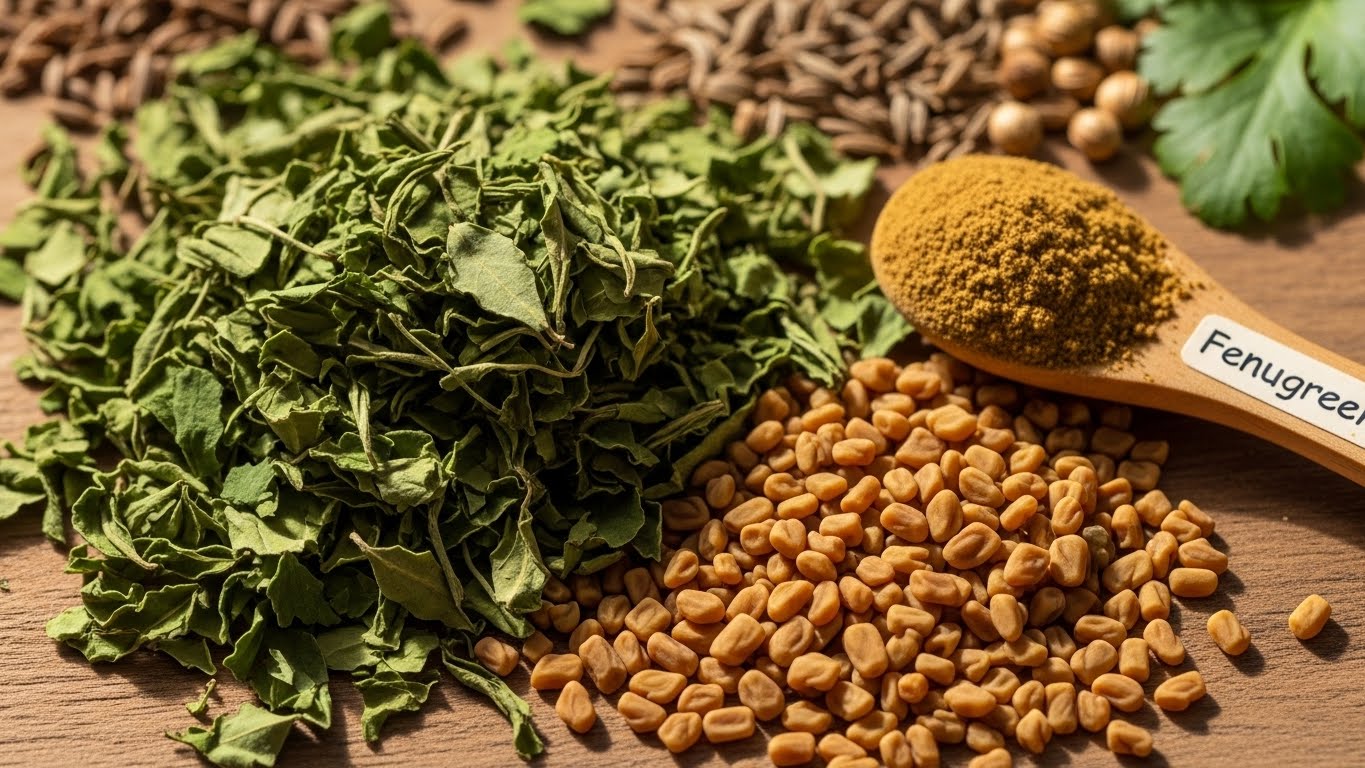
Foenegriek, commonly known as fenugreek, is a fragrant herb and spice that has been used for thousands of years in cooking, traditional medicine, and natural health practices. Belonging to the legume family (Fabaceae), foenegriek is prized for its small, golden-yellow seeds, aromatic leaves, and powerful nutritional profile. From ancient civilizations to modern kitchens and wellness routines, fenugreek continues to play a vital role across cultures worldwide.
In this article, we explore the origins, nutritional value, culinary uses, medicinal benefits, and modern applications of foenegriek, highlighting why it remains one of the most valued herbs in both food and health traditions.
What Is Foenegriek (Fenugreek)?
Foenegriek (Trigonella foenum-graecum) is an annual herb native to regions of South Asia, the Middle East, and the Mediterranean. The plant grows to about 30–60 cm tall and produces green leaves, small white or pale-yellow flowers, and narrow pods containing hard, angular seeds.
Both the seeds and leaves are used:
-
Fenugreek seeds are commonly dried and used as a spice.
-
Fenugreek leaves, fresh or dried (known as kasuri methi), are used as an herb in cooking.
Fenugreek has a slightly bitter, nutty flavor with a maple-like aroma, making it distinctive and easily recognizable.
Historical and Cultural Significance
Foenegriek has a long and fascinating history:
-
Ancient Egypt used fenugreek for embalming and medicinal remedies.
-
Greek and Roman civilizations valued it as livestock feed and medicine.
-
Ayurvedic and Traditional Chinese Medicine (TCM) have relied on fenugreek for centuries to treat digestive issues, inflammation, and hormonal imbalances.
-
In Indian cuisine, fenugreek is a foundational spice used in curries, dals, pickles, and spice blends.
Its widespread historical use highlights fenugreek’s versatility and enduring importance.
Nutritional Profile of Foenegriek
One of the reasons foenegriek is so highly valued is its exceptional nutritional composition. Fenugreek seeds are rich in essential nutrients, including:
-
Dietary fiber (especially galactomannan)
-
Plant-based protein
-
Iron
-
Magnesium
-
Potassium
-
Calcium
-
Vitamin B6
-
Antioxidants
-
Saponins and alkaloids
Fenugreek is particularly known for galactomannan, a soluble fiber that helps regulate blood sugar and cholesterol levels.
Culinary Uses of Foenegriek
Fenugreek in Global Cuisine
Foenegriek is a staple in many traditional cuisines, especially:
-
Indian cooking (curries, spice mixes, dals)
-
Middle Eastern dishes
-
North African recipes
-
Mediterranean breads and stews
Fenugreek seeds are often roasted or soaked to reduce bitterness before use. The leaves are used fresh like spinach or dried as a seasoning.
Common Culinary Applications
-
Spice blends such as curry powder and panch phoron
-
Vegetable dishes and lentils
-
Flatbreads and savory pastries
-
Pickles and chutneys
-
Herbal teas
The unique flavor of foenegriek enhances dishes with warmth, depth, and aroma.
Medicinal Benefits of Foenegriek
Foenegriek is widely recognized for its therapeutic and medicinal properties. Modern research supports many of its traditional uses.
Supports Digestive Health
Fenugreek seeds are commonly used to relieve:
-
Indigestion
-
Bloating
-
Constipation
-
Acid reflux
The high fiber content helps improve bowel movements and supports gut health by promoting beneficial bacteria.
Helps Regulate Blood Sugar Levels
One of the most well-known benefits of foenegriek is its ability to support healthy blood sugar levels. Studies suggest that fenugreek may:
-
Improve insulin sensitivity
-
Slow carbohydrate absorption
-
Reduce fasting blood glucose levels
This makes fenugreek particularly beneficial for people managing type 2 diabetes or insulin resistance.
Supports Lactation in Nursing Mothers
Foenegriek is traditionally used as a natural galactagogue, meaning it helps increase breast milk production. Many breastfeeding supplements include fenugreek due to its effectiveness in stimulating milk supply.
Promotes Heart Health
Fenugreek may help support cardiovascular health by:
-
Lowering LDL (bad) cholesterol
-
Reducing triglyceride levels
-
Supporting healthy blood circulation
The soluble fiber galactomannan plays a key role in cholesterol regulation.
Hormonal Balance and Women’s Health
Foenegriek has been used to help manage:
-
Menstrual discomfort
-
Menopause symptoms
-
Hormonal imbalances
Its phytoestrogen content may support hormonal health naturally.
Anti-Inflammatory and Antioxidant Properties
Fenugreek contains powerful antioxidants that help combat oxidative stress and inflammation, which are linked to chronic diseases and aging.
Foenegriek as a Natural Tonic
In traditional medicine, foenegriek is considered a rejuvenating tonic. It is often used to:
-
Improve energy levels
-
Support metabolism
-
Enhance overall vitality
-
Aid recovery from illness
Fenugreek tea or soaked seeds are commonly consumed as a daily wellness drink.
Modern Uses and Supplements
Today, foenegriek is available in various forms:
-
Whole or ground seeds
-
Capsules and tablets
-
Powders
-
Herbal teas
-
Extracts
These supplements are commonly marketed for:
-
Blood sugar management
-
Weight management
-
Testosterone and libido support
-
Digestive health
-
Breastfeeding support
How to Use Foenegriek Safely
While fenugreek is generally safe, moderation is key.
Recommended Usage
-
Seeds: 1–2 teaspoons per day (soaked or cooked)
-
Powder: 500–1000 mg daily
-
Tea: 1 cup per day
Possible Side Effects
-
Digestive discomfort if taken in excess
-
Maple-like odor in sweat or urine
-
Allergic reactions in rare cases
Pregnant women and people on medication should consult a healthcare professional before regular use.
Foenegriek in Natural Beauty and Skincare
Foenegriek is also widely used in natural beauty remedies:
-
Hair masks for dandruff and hair growth
-
Face packs for acne and skin inflammation
-
Scalp treatments for strengthening hair roots
Its anti-inflammatory and nourishing properties make it a popular ingredient in DIY beauty care.
Sustainability and Cultivation
Fenugreek is a sustainable and resilient crop that grows well in dry and semi-arid climates. It enriches soil by fixing nitrogen, making it environmentally beneficial for crop rotation.
Major producers include:
-
India
-
Egypt
-
Morocco
-
Ethiopia
Conclusion
Foenegriek is far more than just a spice—it is a nutrient-rich herb with deep culinary, medicinal, and cultural significance. From enhancing flavor in traditional dishes to supporting digestion, blood sugar balance, heart health, and overall wellness, fenugreek has earned its place as a powerful natural remedy.