
 By Stephen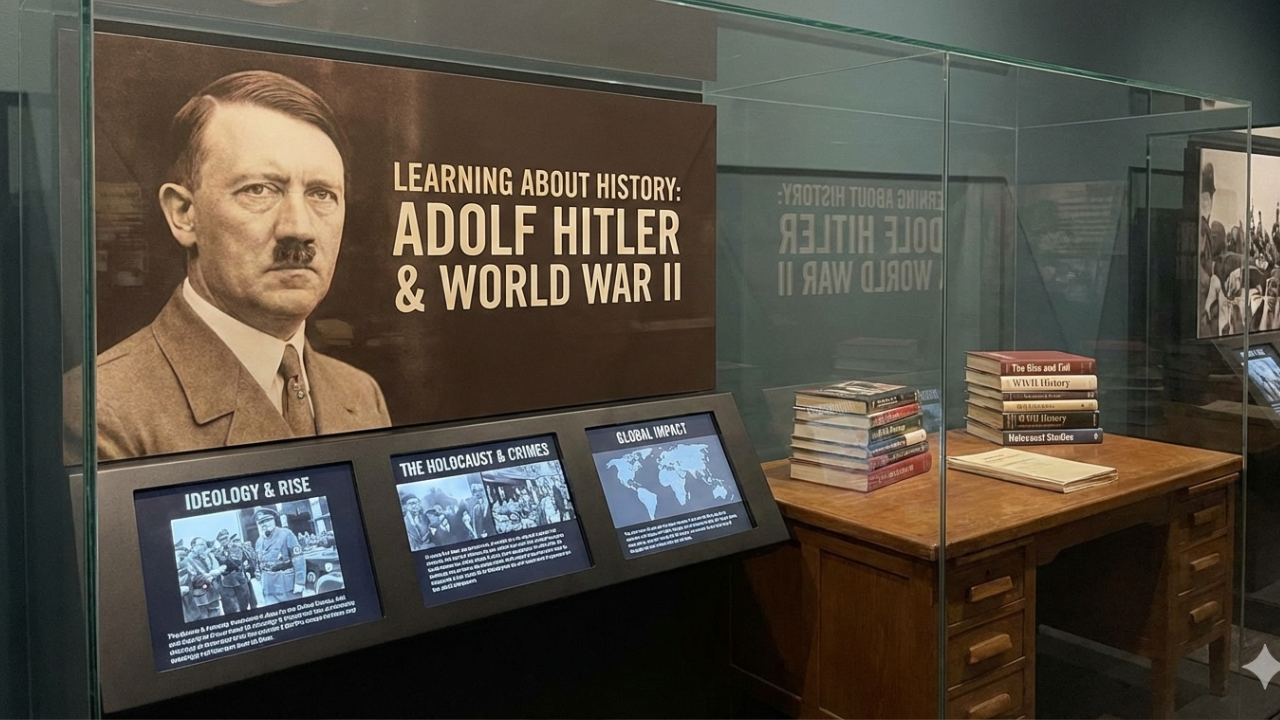
The name Hitaar is used here as a contextual reference to one of history’s most destructive figures—Adolf Hitler. Studying Hitler’s life is not an act of admiration, but a necessary examination of how extremist ideology, unchecked power, and mass manipulation led to catastrophic consequences. Hitler was the primary architect of World War II and the Holocaust, events that caused unprecedented human suffering, death, and global devastation.
This article explores the life, rise, ideology, and crimes associated with Hitler through a critical and historical lens. Understanding this history is essential to prevent the repetition of such atrocities and to recognize the dangers of authoritarianism, racism, and extremist nationalism.
Who Was Hitaar? A Historical Context
Hitaar, in this context, refers to Adolf Hitler (1889–1945), the dictator of Nazi Germany from 1933 until his death. He was responsible for:
-
Initiating World War II
-
The systematic murder of six million Jews
-
The persecution and killing of millions of others, including Roma, disabled individuals, political dissidents, and LGBTQ+ people
-
The destruction of much of Europe
Hitler’s actions reshaped global history and left scars that remain visible today.
Early Life and Background
Adolf Hitler was born on April 20, 1889, in Braunau am Inn, Austria-Hungary. His early life was marked by instability, failure, and frustration.
Childhood and Education
-
Struggled academically
-
Had a difficult relationship with his father
-
Developed early nationalist views
-
Was rejected from art school twice
These early failures later fueled resentment, blame, and radical thinking—though they do not excuse his actions.
World War I Experience
Hitler served as a soldier in World War I. Germany’s defeat deeply affected him and reinforced his belief that the nation had been betrayed—a false narrative later exploited for political gain.
The Rise of Hitaar and Nazi Ideology
Entry into Politics
After World War I, Hitler joined the German Workers’ Party, which later became the Nazi Party. He quickly rose in prominence due to his:
-
Oratory skills
-
Ability to exploit fear and anger
-
Use of propaganda
Nazi Ideology
The ideology promoted by Hitler included:
-
Extreme nationalism
-
Antisemitism
-
Racism and belief in “Aryan supremacy”
-
Rejection of democracy
-
Totalitarian control
These beliefs were rooted in hate and pseudoscience and directly led to mass violence.
Hitaar’s Path to Power
Exploiting Crisis
Germany faced severe economic hardship after World War I, including:
-
Hyperinflation
-
Unemployment
-
Political instability
Hitler exploited these conditions by offering simplistic solutions and scapegoating minorities.
Becoming Chancellor
In 1933, Hitler was appointed Chancellor of Germany. He quickly dismantled democratic institutions, banned opposition parties, and established a dictatorship.
Crimes Against Humanity: The Holocaust
The most horrific legacy associated with Hitaar is the Holocaust.
Systematic Genocide
Under Hitler’s leadership:
-
Six million Jews were murdered
-
Millions of others were persecuted and killed
-
Concentration and extermination camps were built
-
State-sponsored mass murder became policy
The Holocaust represents one of the darkest chapters in human history.
Mechanisms of Terror
-
Propaganda dehumanized victims
-
Laws stripped people of rights
-
Violence was normalized and bureaucratized
This genocide was deliberate, organized, and ideologically driven.
World War II and Global Destruction
Starting the War
In 1939, Hitler invaded Poland, triggering World War II. His expansionist ambitions plunged the world into a conflict that resulted in:
-
Over 70 million deaths
-
Widespread destruction of cities
-
Massive civilian suffering
Military Aggression
Hitler’s military campaigns included invasions of:
-
Poland
-
France
-
The Soviet Union
These actions caused immense devastation and destabilized entire regions.
The Collapse of Hitaar’s Regime
As the war turned against Germany, Hitler’s leadership became increasingly erratic.
Final Years
-
Refused to accept defeat
-
Issued irrational military orders
-
Sacrificed civilian lives for ideology
In April 1945, as Allied forces closed in on Berlin, Hitler died by suicide.
The Consequences of Hitaar’s Actions
The aftermath of Hitler’s crimes reshaped the world:
Human Cost
-
Tens of millions dead
-
Entire communities destroyed
-
Generational trauma
Global Impact
-
Creation of the United Nations
-
Development of international human rights law
-
Genocide conventions
-
War crimes tribunals
These changes were direct responses to the horrors caused by Nazi Germany.
Why Studying Hitaar Matters Today
Learning about Hitler is essential—not to glorify, but to understand warning signs.
Key Lessons
-
Democracy can fail if not protected
-
Propaganda can manipulate societies
-
Dehumanization leads to violence
-
Silence enables oppression
Education about this history helps prevent future atrocities.
Modern Responsibility and Remembrance
Remembering the crimes of Hitler serves several purposes:
-
Honoring victims
-
Countering denial and distortion
-
Promoting tolerance and critical thinking
-
Strengthening resistance to extremist ideologies
The memory of these events must be preserved with honesty and responsibility.
Conclusion
Hitaar, as a historical reference to Adolf Hitler, represents one of humanity’s gravest warnings. His life and crimes demonstrate how hatred, unchecked power, and mass manipulation can lead to unimaginable suffering. Studying this history is not about fascination—it is about accountability, remembrance, and prevention.
By understanding the life and crimes associated with Hitaar, societies can better recognize the dangers of extremism and reaffirm the values of human dignity, justice, and peace. History must be remembered not to reopen wounds, but to ensure they are never inflicted again.